


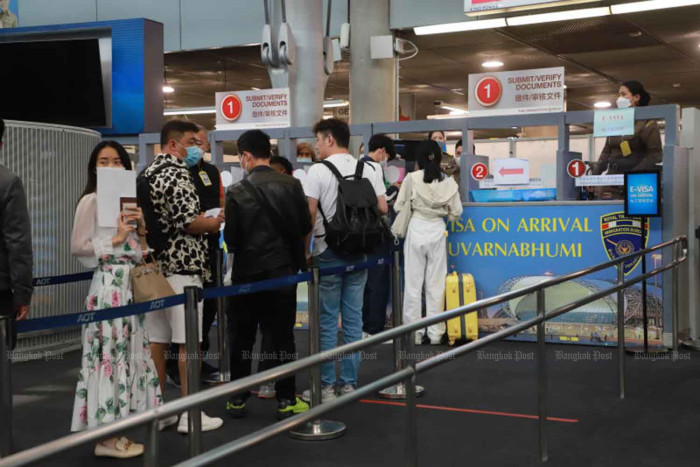
Tourism operators in both Phuket and Pattaya have expressed their support for the government’s decision to reinstate the 30-day visa-free stay for visitors. They believe this initiative will help mitigate illegal business operations and reduce the number of low-spending long-term visitors. This policy change, as outlined by the Department of Consular Affairs under the Foreign Affairs Ministry, is part of a broader effort to restructure Thailand’s visa system. The goal is to simplify regulations, enhance immigration oversight, and better align stay durations with popular travel practices.
Bhummikitti Ruktaengam, who serves as the president of the Sustainable Tourism Development Foundation, noted that the decision came after extensive discussions between the government and tourism industry stakeholders. He indicated that most businesses in the sector agree that a 30-day stay is adequate for typical tourists, while investors and business travelers can utilize alternative visa options. “The overall impact on Thai tourism should be limited, although some markets may slow,” he remarked.
He pointed out that arrivals from the Middle East to Phuket have seen a significant decline, while Australian visitor numbers remain stable due to their tendency to book trips well in advance. Indian tourist numbers have slightly decreased but continue to be robust. Furthermore, he mentioned that Kazakhstan, which previously enjoyed visa-free access, will revert to regular visa requirements under the new policies.
Phuket MP Chalermpong Saengdee from the People’s Party has also endorsed this change, advocating for a shift toward “quality tourism” rather than merely increasing visitor numbers. He stated, “Thirty days is already enough for tourism, and personally, I think even 18 days would be sufficient.” He cautioned that prolonged visa-free stays have created loopholes that enable some foreigners to set up nominee businesses, compete with locals, and engage in illicit activities. Saengdee urged the government to enhance legal actions against illegal foreign businesses and to improve immigration screening, particularly in major tourist areas like Phuket.
Chutima Jeeramongkol, president of the Pattaya Business and Tourism Association, echoed the support for the 30-day visa return, characterizing it as a restoration of normal conditions following previous extensions. She explained that a shorter visa period could help combat issues related to scams and unlawful business operations while attracting higher-spending short-term visitors. “Tourists staying three to seven days generally spend more on accommodation, food, and activities, while long-stay travellers are often more budget-conscious,” she added. Pattaya is currently experiencing a slowdown typical of the low season.
Source: Bangkok Post