


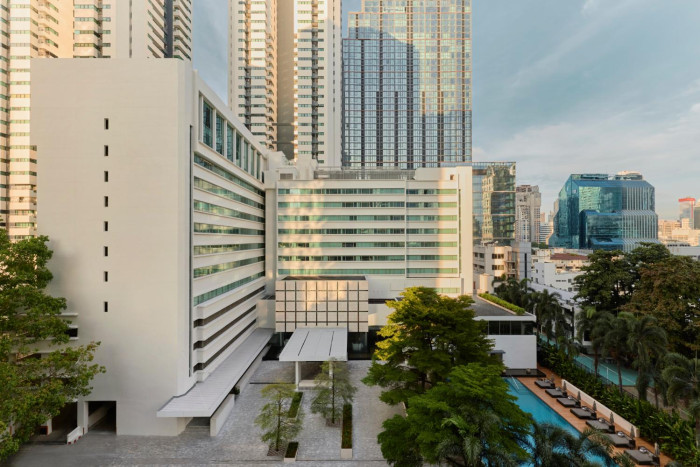
Como Metropolitan Bangkok, a high-end hotel situated in the Sathorn district, merges modern design with a serene urban retreat ambiance. The Asia-Pacific premium and luxury tourism market is showing resilience despite geopolitical tensions, as travelers increasingly prioritize intentional travel with reputable brands. Como Hotels and Resorts, based in Singapore, forecasts a rebound for major destinations like Thailand once these tensions ease, backed by pent-up demand.
Doris Goh, the executive vice-president of commercial at Como, commented on the cautious yet resilient outlook for the hospitality industry this year, especially within the luxury sector in the Asia-Pacific region. Although rising travel costs are impacting long-haul markets, Como continues to observe robust demand from regional travelers seeking wellness, privacy, and meaningful experiences.
According to Ms. Goh, the strong interest from Asian and Australian markets has positively influenced Como’s establishments in Singapore, Bangkok, Phuket, Bali, and the Maldives. “What we are seeing is not necessarily less travel, but more intentional travel,” she stated. While the mass market may be more sensitive to cost increases, the premium and luxury segments appear to be holding strong.
Affluent travelers are ready to spend, yet they demand greater experiential value from their accommodations. As a family-owned hospitality enterprise, Como is adaptable in modifying its business strategies to navigate these challenging times. The wellness tourism sector continues to outpace broader leisure travel, aligning well with Como’s brand identity. The company’s hotels are providing unique experiences, including wine tours, culinary events, sports, and wellness activities.
In terms of operations, the importance of flexibility and efficiency has grown, particularly regarding staffing, inventory management, and personalized guest engagement. “With the current travel uncertainties, guests place even greater importance in trust and consistency,” Ms. Goh added. “Travelers are becoming far more discerning regarding where they invest their time and money.”
Looking ahead, Ms. Goh predicts an increase in travel demand as geopolitical tensions subside. Historically, periods of turmoil have typically led to delays in travel decisions rather than outright cancellations. Popular destinations such as Bangkok, Phuket, the Maldives, Bali, Tuscany, and London are expected to witness a significant rebound in premium travel.
Como operates 19 hotels globally, including locations in Bangkok and Phuket, primarily under an asset-heavy model where most properties are owned by the company. Regarding Thai tourism, Ms. Goh noted ongoing developments of new projects, hotels, and neighborhoods post-pandemic. However, she emphasized that the primary challenge remains the enhancement of the country’s infrastructure, including transport and waste management systems, which would improve local living conditions and ultimately benefit tourists.
The Como Metropolitan Bangkok, which recently reopened in October last year after a six-month renovation, features 137 rooms and suites and caters primarily to Korean, Chinese, Singaporean, and European markets. Despite intensifying competition in Bangkok’s luxury hotel sector, Ms. Goh assured that the hotel’s pricing remains competitive while upholding the brand’s unique positioning. This year has seen a city-wide slowdown in visitor numbers for many hoteliers in Bangkok, influenced by conflicts in the Middle East, she noted.
This year, Como has also expanded its presence in France with the opening of Como Le Beauvallon and Como Cordeillan-Bages.
Source: Bangkok Post