


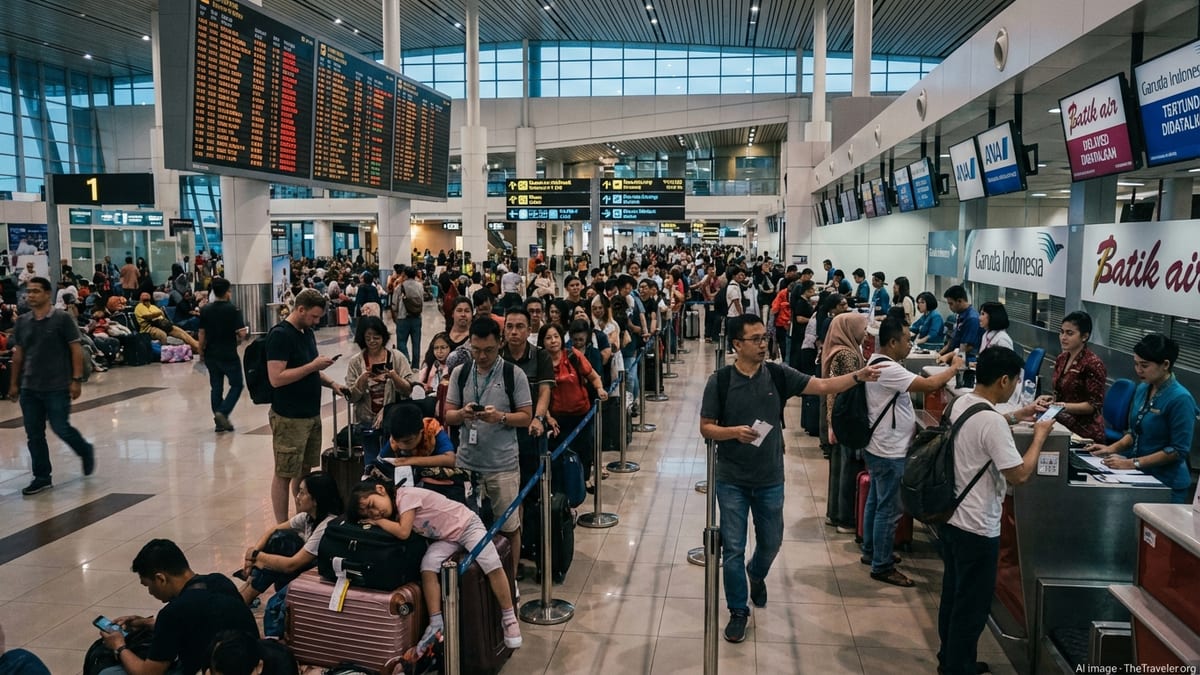
Travel plans across Asia encountered significant interruptions on Sunday as numerous airlines operating from Shanghai canceled a large number of flights and delayed many others. This disruption impacted passengers heading to various destinations, including China, Japan, Indonesia, Singapore, and Malaysia.
At Shanghai Pudong International Airport, data from May 24 revealed a notable spike in flight cancellations and delays, affecting regional and medium-haul routes. Specifically, at least 65 flights operated by airlines such as Chengdu Airlines, Juneyao Air, Japan Air Commuter, Batik Air, and Garuda Indonesia were canceled, while an additional 117 flights faced considerable delays at the airport, which serves as a primary international gateway.
The majority of these disruptions occurred during peak travel times in the morning and early afternoon, when Shanghai typically experiences high traffic volumes to Southeast and Northeast Asia. Routes connecting Shanghai with cities in Japan and Indonesia, as well as other Southeast Asian destinations, were among the most severely impacted due to operations by Juneyao Air, Garuda Indonesia, and Batik Air.
Flight-status platforms indicated that services from Shanghai to popular leisure spots like Phuket and Kuala Lumpur were among those that did not depart on schedule. For instance, flights operated by Juneyao from Pudong to Phuket were reported as canceled, and several other regional flights experienced extended ground holds and changes to their departure schedules.
While long-haul flights continued to operate, the disruptions in short and medium-haul services created a cascading effect across terminals. This led to overcrowded check-in counters, security lanes, and boarding areas, resulting in longer wait times and unexpected overnight stays for many travelers.
Central to the disruptions was Juneyao Air, one of China’s major privately owned airlines, which runs a broad regional network from Shanghai to various destinations including Singapore and Japan. Chengdu Airlines also played a significant role, with cancellations on trunk routes potentially causing missed connections for passengers traveling onward to Japan and Southeast Asia.
Japan Air Commuter, primarily focused on domestic routes, found its services indirectly affected due to reliance on feeder traffic from Chinese gateways like Shanghai. The reduced reliability on routes between China and Japan, coupled with existing schedule adjustments made by Chinese carriers, has amplified the impact on regional connections within Japan.
In Southeast Asia, both Garuda Indonesia and Batik Air were affected by the disruptions. Garuda operates services between Shanghai and Indonesian cities such as Jakarta, while Batik Air connects China with Malaysia and Singapore. Delays or cancellations involving these airlines can severely disrupt travel itineraries that depend on multiple short segments across the region.
Passengers traveling to Japan have faced increased challenges, particularly as adjustments to capacity on routes from Shanghai have been frequent in recent months. The latest wave of cancellations has added to the uncertainty for those heading to cities like Tokyo, Osaka, and Fukuoka, with missed connections potentially affecting domestic travel within Japan.
Travel to Indonesia has also been impacted, as Shanghai serves as a vital gateway for flights to Jakarta and various Indonesian resort destinations. Cancellations or delays on flights to Jakarta can result in missed onward connections, leaving travelers stranded far from their intended destinations.
Similarly, Singapore and Malaysia have experienced ripple effects. Passengers transiting through Shanghai reported altered schedules and extended waiting times. Those traveling to Kuala Lumpur or other Malaysian destinations through Batik Air faced rebookings and schedule changes due to the disruptions.
The high concentration of disrupted flights linking Shanghai to these key markets highlights the sensitivity of Asia’s short-haul network to disturbances at major hubs. Even when some flights continue to operate, travelers relying on tight connections through Shanghai may still encounter significant delays.
As of Sunday evening, the specific causes of the widespread cancellations and delays remain unclear. Factors such as seasonal weather conditions in eastern China, which can lead to airspace congestion and ground holds, may have contributed to the situation, especially during busy travel periods.
In addition, operational complexities faced by airlines like Juneyao Air, Garuda Indonesia, and Batik Air can result in delays cascading through their networks, affecting multiple flights across various regions.
Looking ahead, industry experts predict that the repercussions of Sunday’s flight disruptions will likely continue into the early week as airlines work to reposition their aircraft and crew, striving to restore normal schedules at Shanghai. Passengers with upcoming flights involving the affected airlines should anticipate potential schedule changes, including retimed flights or alterations to equipment.
Source: thetraveler.org