


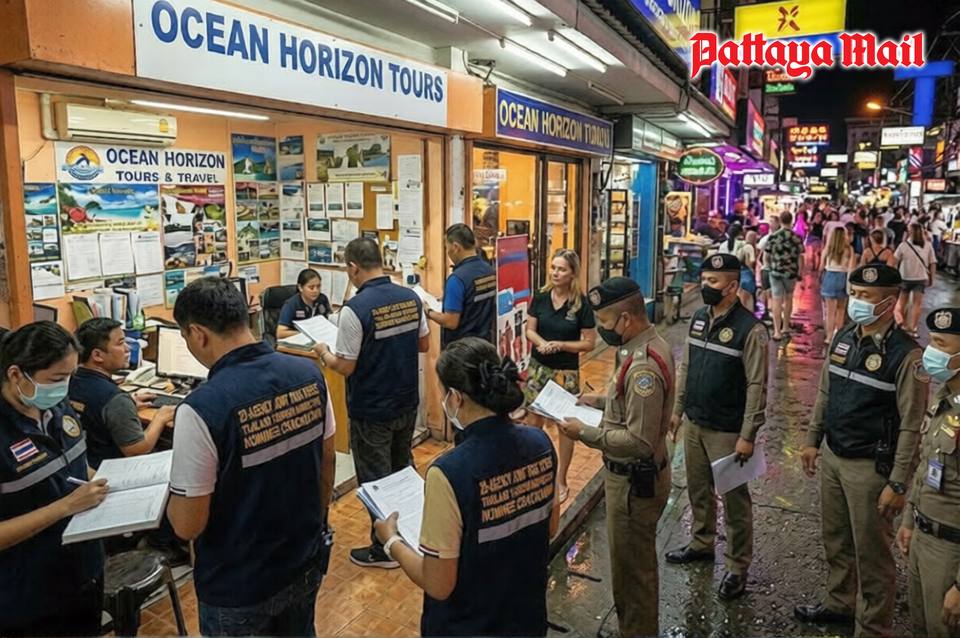
In May 2026, significant changes unfolded within Thailand’s real estate and hospitality industries, particularly in major tourist destinations like Pattaya, Phuket, and Chiang Mai. This transformation followed intensified investigations by a coalition of 23 government agencies targeting proxy business structures used by foreign nationals for property ownership and hospitality operations. The enforcement of these regulations raised critical questions among business operators and investors about the impact of tightened rules on foreign tourist arrivals and the potential long-term economic benefits of this restructuring.
Recent statistics from the Ministry of Tourism and Sports, covering the period from January 1 to May 24, 2026, reveal that Thailand welcomed over 13.4 million foreign visitors. The leading countries of origin for these tourists were:
1. China: 2,237,215 arrivals
2. Malaysia: 1,552,217 arrivals
3. India: 1,003,993 arrivals
4. Russia: 928,774 arrivals
5. South Korea: 525,550 arrivals
The cumulative data indicates that despite increased scrutiny of hidden foreign capital, travel demand from Thailand’s primary markets remained robust, alleviating fears of a significant decline.
During May 2026, which coincided with heightened corporate shareholding audits and financial investigations of suspected firms, distinct trends emerged among various traveler demographics. Chinese tourists continued to dominate, with weekly arrivals averaging between 100,000 and 120,000. Although the zero dollar tour networks and grey capital operations faced restrictions due to anti-nominee measures, the influx of Free Independent Travelers (FITs) and younger, high-spending demographics compensated for this decline, maintaining China’s top position in arrivals.
Meanwhile, Malaysian tourists predominantly entered via southern land checkpoints, while Indian visitors showed steady growth in Bangkok and Pattaya, utilizing legally registered hotels and businesses. Conversely, Russian tourist numbers began to wane in May, attributed to seasonal shifts as the country entered its rainy season. Additionally, increased awareness of property investigations in Pattaya and Phuket caused some long-term visitors to exercise caution, delaying transactions.
The enforcement of anti-proxy measures is expected to yield substantial benefits for Thailand across various sectors.
Firstly, it promotes a genuine distribution of wealth into local economies. Historically, illicit proxy businesses operated in isolated loops, directing all revenue from accommodations, restaurants, car rentals, and souvenir shops abroad through exclusive payment systems. By dismantling these networks, tourists are encouraged to spend directly with legitimate Thai businesses, ensuring revenue circulates within the local economy.
Secondly, stringent law enforcement enhances government tax collection efforts. Front companies often correlate with fraudulent financial practices, including underreported income and tax evasion. Rigorous audits reveal these underground businesses, allowing the government to collect corporate income tax, value-added tax, and signboard tax in a fair manner.
Additionally, these measures protect local entrepreneurs from unfair competition. Foreign entities employing illicit structures typically have access to vast capital, allowing them to engage in price-cutting strategies that local small and medium enterprises cannot match. By eliminating these operations, business opportunities are restored to Thai citizens, offering local SMEs a fair chance to prosper.
Lastly, regulating illegal ownership structures fosters transparency in the real estate market, curbing artificial property price inflation driven by illicit foreign investment in major cities. This regulation ensures that land and housing prices in tourist areas reflect actual market conditions, reducing the risk of long-term asset bubbles.
In conclusion, the events of May 2026 demonstrate that while corporate oversight has tightened, it has not adversely affected overall tourist numbers. Instead, this enforcement has acted as a filter, enhancing transparency within the tourism economy. The decline of businesses operating under conflicting interests or below market rates has been counterbalanced by the arrival of quality tourists who engage directly with legitimate local enterprises and are inclined to extend their stays through proper channels. This evolution signifies Thailand’s shift away from merely aiming for high visitor counts, focusing instead on attracting high-spending segments, ultimately reducing the strain on natural resources and moving toward becoming a truly sustainable and transparent travel destination.
Source: Pattaya Mail