


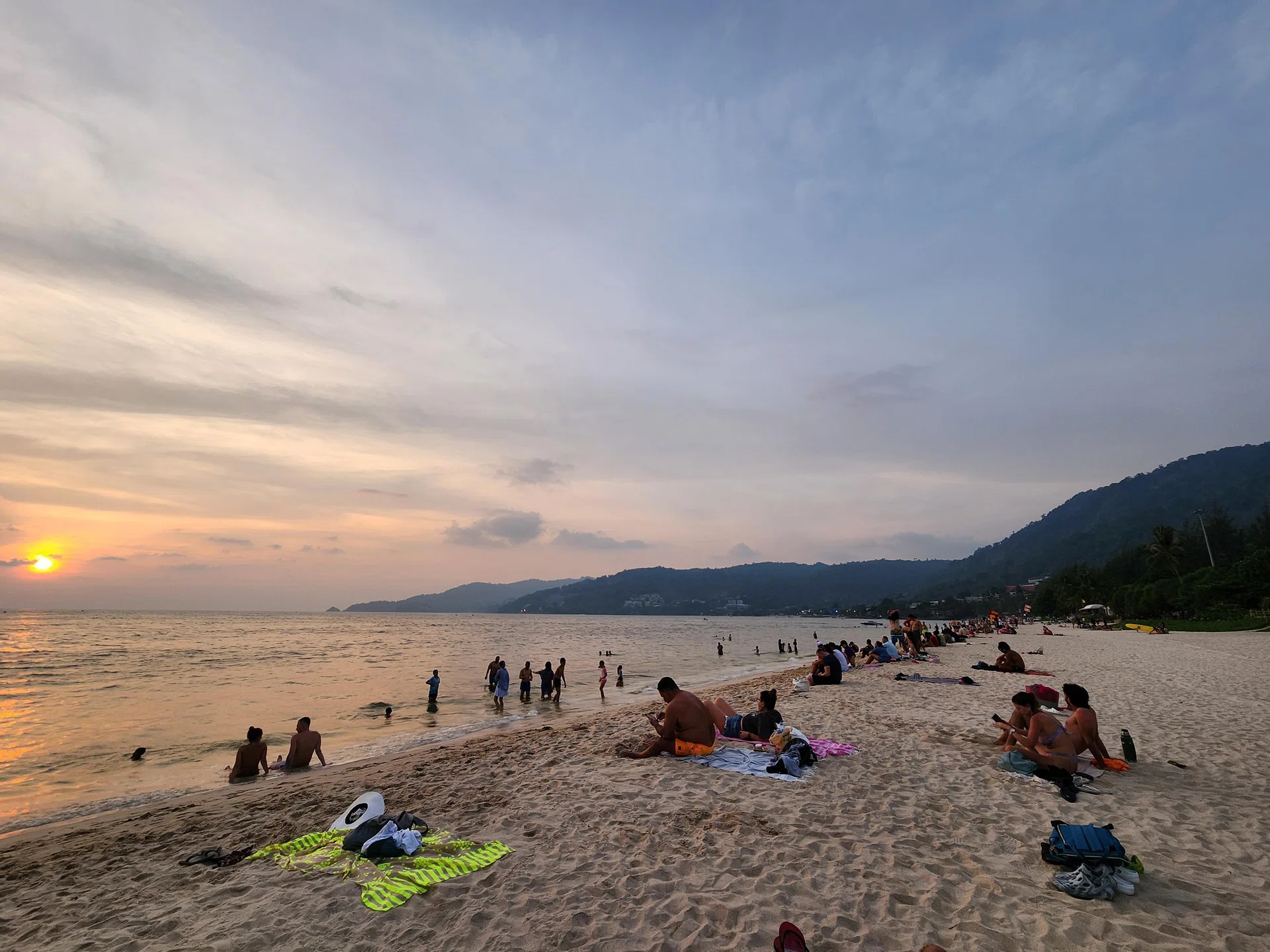
Thailand is set to revise its lenient visa policies as the government increases efforts to address issues involving foreigners engaged in illegal business activities and transnational crime. This initiative follows a recent crackdown that exposed the illegal construction of bars and restaurants by foreigners on a beach in Phuket, prompting significant public discontent.
Officials have indicated that potential modifications might include shortening the current 60-day visa-free stay for tourists to 30 days and reassessing criteria for various visa categories, such as those for investment, long-term stays, students, and digital nomads. Currently, visitors from 93 nations can enjoy the 60-day visa exemption.
Prime Minister Anutin Charnvirakul has mandated the formation of a working group to evaluate these regulations, as reported by government spokeswoman Rachada Dhnadirek. Anutin’s recent trip to Phuket saw him promising a strict stance against foreign individuals he described as ‘thugs’ who illegally operate businesses and pose threats to local communities.
The issue has gained urgency following the arrest of a Chinese national in Pattaya, who was found in possession of firearms, raising national security alarms. Local businesses in tourist-heavy areas have long voiced concerns that their operations are jeopardized by visitors misusing their visas for unauthorized activities.
During a press conference earlier this week, Anutin, whose Bhumjaithai party is part of the ruling coalition, stated that while he does not intend to eliminate visa exemptions entirely, it is crucial to strike a balance. ‘Free visas are not about unconditional entry,’ he emphasized on May 11. ‘We need to find the best balance.’
This dialogue reflects Thailand’s ongoing struggle to impose restrictions without harming its vital tourism sector, which brought in nearly US$50 billion from 33 million international visitors last year. Proposals to shorten visa-free stays and introduce an entry fee have faced pushback from the domestic tourism industry, which warns that such changes could drive tourists to neighboring countries like Vietnam and Malaysia.
In recent years, Thailand has become a refuge for those escaping conflicts such as the war between Russia and Ukraine and the Israel-Palestine situation. However, the country has faced challenges with visitors partaking in illegal business endeavors or finding local proxies to bypass regulations.
In response to the recent illegal activities, Phuket police have charged 33 foreigners, including 13 Russians and 12 Chinese nationals, for violations of Thai foreign business laws. As enforcement efforts escalate, Anutin is scheduled to visit Koh Phangan, a resort island famous for its Full Moon parties, on Wednesday to oversee actions against foreign-operated businesses falsely registered as Thai-owned.
The government is keen to support legitimate foreign investments that are transparent and advantageous but remains firm against allowing illicit funds and economic crime networks to benefit from operations within Thailand, according to Rachada.
‘The Prime Minister has instructed security forces, administrative authorities, the commerce ministry, and other relevant agencies to conduct nationwide inspections,’ Rachada stated. ‘Should any exploitation of legal loopholes that endangers Thai citizens’ jobs and livelihoods be uncovered, swift legal measures will be enforced.’
Source: The Business Times