


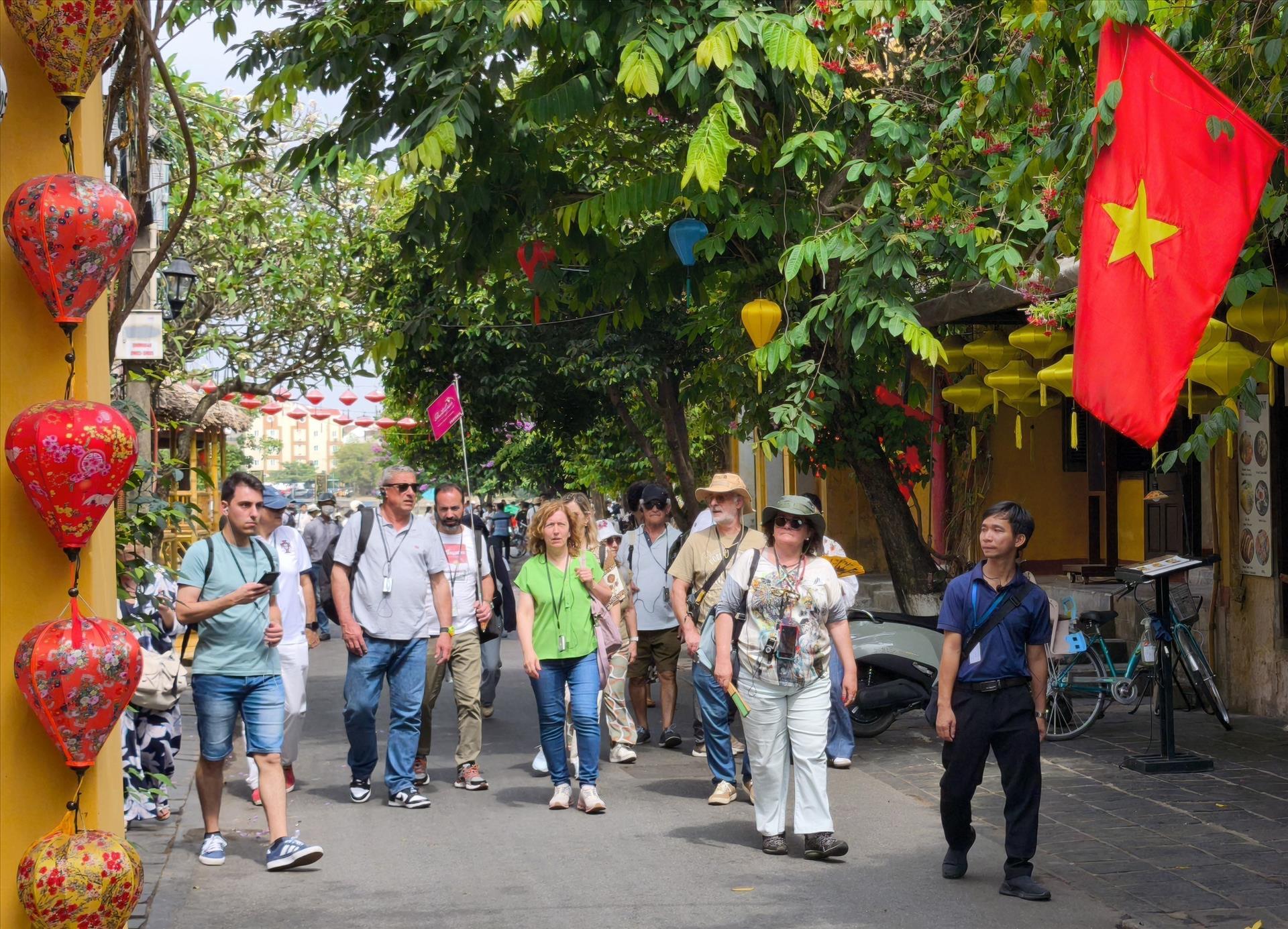
BANGKOK – Thailand has long been the leading destination for tourists in Southeast Asia, renowned for its vibrant cities and stunning beaches, including those in Phuket. However, a shift is emerging as Vietnam rises as a formidable competitor in the tourism sector. This transformation is propelled by strategic marketing, enhanced infrastructure, and significant visa reforms, prompting Thailand to reevaluate its tourism strategies to maintain its market position and embrace digital advancements.
Shifting Dynamics: A Closer Look at Visitor Trends
Recent industry analyses indicate a notable change in the tourism landscape. Although Thailand still attracts more visitors overall, the growth trajectory reveals a different narrative.
Vietnam’s Impressive Growth:
The country has achieved a remarkable milestone, with international arrivals climbing over 20% to a record 21.2 million visitors, positioning Vietnam to meet its ambitious goal of 25 million tourists.
Thailand’s Decline:
In contrast, Thailand’s foreign arrivals have decreased by approximately 7.2%, totaling 32.97 million, a drop from over 35 million the previous year.
Narrowing Differences:
In 2019, Thailand welcomed more than twice the number of tourists as Vietnam; however, this disparity has significantly diminished, with Thailand now attracting just under 1.5 times more visitors than its neighboring competitor. This shift underscores a trend where travelers are increasingly exploring new options, with Vietnam effectively capitalizing on this demand.
Factors Behind Vietnam’s Tourism Surge
Vietnam’s rapid ascent in tourism is not coincidental but is a result of a well-executed national strategy that includes updates to policies and substantial investments in infrastructure.
1. Streamlined Visa Processes
A key driver of Vietnam’s tourism boom is its proactive immigration policies. Recognizing that bureaucratic hurdles deter potential visitors, the government introduced a Strategic Dual Visa Policy, which extends 45-day unilateral visa exemptions to numerous European countries, including Germany, France, and Italy, while also offering 90-day e-visas to travelers globally. Special visa-free options have been established for high-net-worth individuals and scientists to attract long-stay visitors.
2. Infrastructure Development
Vietnam is investing heavily in enhancing domestic travel connectivity. This includes the addition of 12 new airports, expansion of expressways, and plans for advanced high-speed rail systems. Many of the country’s major airports are conveniently located within a 30 to 45-minute drive from popular tourist destinations, unlike some of Thailand’s resorts, such as Hua Hin, which require lengthy travel times from Bangkok.
3. Unique Experiences and Competitive Pricing
Vietnam’s appeal lies in its novelty for repeat travelers. Destinations such as Phu Quoc Island, Da Nang, and the scenic hills of Sa Pa offer a fresh experience. Coupled with affordable luxury accommodations, high-quality dining, and a lower cost of living, a trip to Vietnam can often be half the price of a similar experience in Thailand.
Thailand’s Response to the Challenge
Vietnam’s aggressive tourism marketing efforts are reverberating through Thailand’s private sector. Reports indicate that Thai hotels are witnessing a decline in group bookings, particularly from Europe, as budget-conscious travelers opt for Vietnam. Additionally, Vietnam outperformed Thailand in attracting Chinese visitors, welcoming over 5.2 million compared to Thailand’s 4.6 million.
Local industry representatives are raising concerns, suggesting that if Thailand relies solely on its established reputation without modernizing its offerings and infrastructure, it may soon find itself at a disadvantage. In response, Thai policymakers are shifting their focus from merely attracting high visitor numbers to promoting value tourism aimed at specific, high-spending demographics.
Looking Ahead: Emphasizing Digital Integration
Tourism experts propose that collaboration, rather than competition, could be the way forward. Former officials are advocating for the establishment of a unified ASEAN visa system, akin to Europe’s Schengen Zone, enabling travelers to experience both Thailand’s beaches and Vietnam’s cultural heritage on a single trip.
The future of this regional rivalry hinges on digital advancements. Modern travelers, particularly from Gen Z and Millennials, seek seamless, mobile-first experiences. The Tourism Authority of Thailand is prioritizing the creation of a secure and comprehensive digital tourism ecosystem, incorporating AI for personalized recommendations, enhancing digital payment systems, and improving public safety measures. Meanwhile, Vietnam is also making strides by collaborating with tech firms to develop the “Visit Vietnam” super-app.
As competition escalates, the ultimate beneficiaries will be global travelers, who will enjoy improved infrastructure, easier visa access, and enriched cultural experiences across both countries.
Source: Chiang Rai Times